
A slip and fall incident at an airport in Los Angeles can be more than just embarrassing; it can lead to serious injuries, significant medical bills, and a complex legal battle. Understanding your rights and the principles of premises liability is essential if you find yourself in such an unfortunate situation. But what exactly does it take to hold an airport or its managing entities accountable for negligence?
Key Takeaways
- Property owners, including airport authorities, have a legal duty to maintain safe premises for visitors.
- To win a slip and fall claim, you must prove the property owner knew or should have known about the hazardous condition and failed to address it.
- Immediate actions like documenting the scene, reporting the incident, and seeking medical attention are critical for preserving evidence.
- California Civil Code Section 1714 is the foundational statute governing premises liability claims in the state.
- Consulting with an experienced personal injury attorney promptly after an airport slip and fall can significantly impact the outcome of your case.
The Duty of Care at Los Angeles Airports
When you step into any public space, especially a busy transit hub like Los Angeles International Airport (LAX) or Hollywood Burbank Airport (BUR), you expect a reasonable level of safety. This expectation isn’t just common sense; it’s rooted in the legal concept of duty of care. Property owners and managers, whether private entities or government agencies, have a legal obligation to ensure their premises are reasonably safe for visitors. This means they must take proactive steps to identify and mitigate potential hazards that could lead to a slip and fall.
What exactly constitutes “reasonable safety”? It’s not about guaranteeing an accident-free environment, which is an impossible standard. Instead, it’s about exercising ordinary care in the management of the property. This includes things like regular inspections, prompt cleanup of spills, proper maintenance of flooring and walkways, adequate lighting, and clear warning signs for temporary dangers. For instance, if a cleaning crew mops a floor at LAX and fails to put up a “wet floor” sign, and someone slips, that’s a clear breach of their duty. This isn’t just my professional opinion; it’s a cornerstone of California premises liability law, as outlined in California Civil Code Section 1714, which states that everyone is responsible for injuries caused by their want of ordinary care or skill.
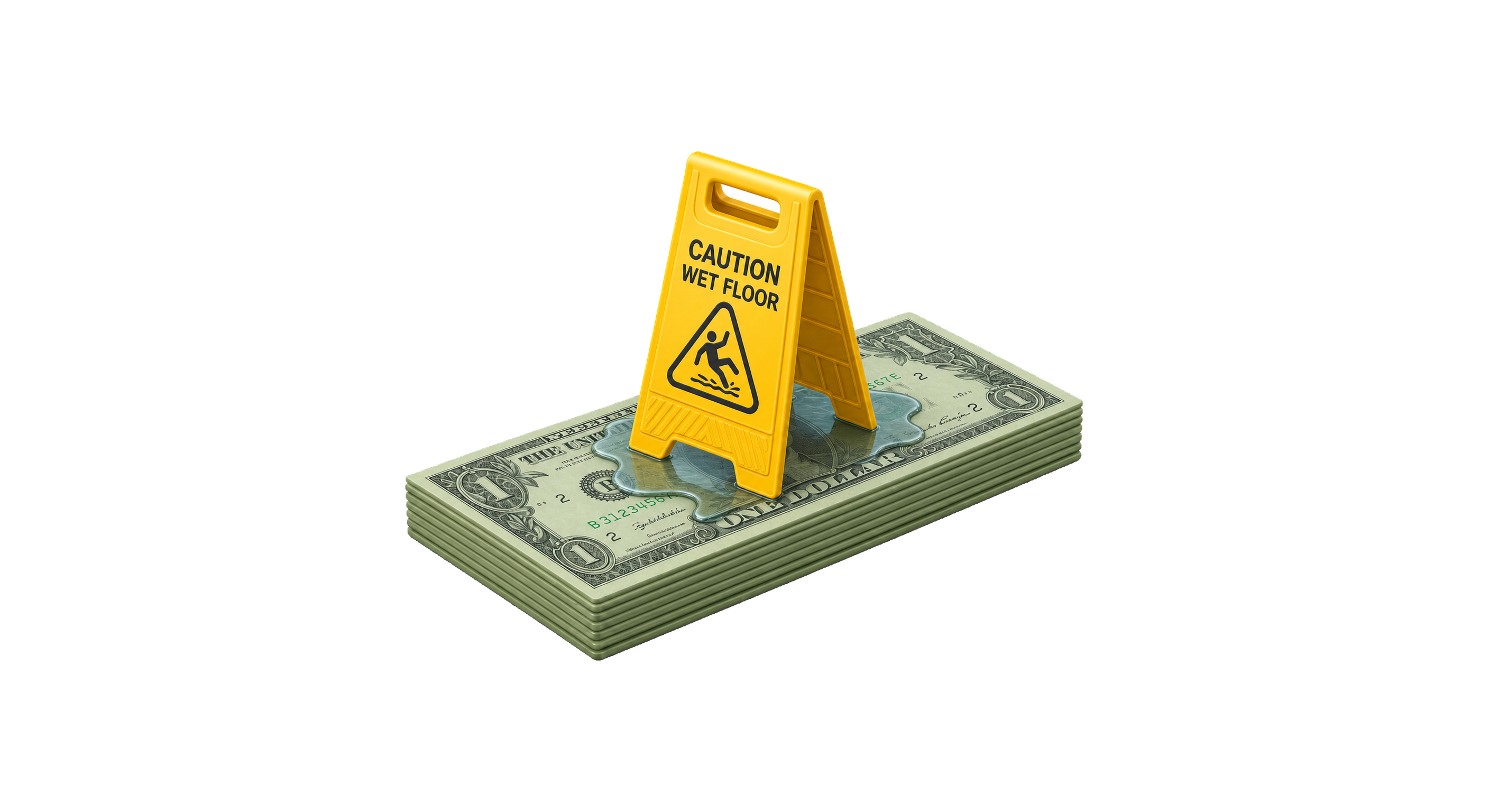
Injured in a slip & fall?
Know what your case is worth with AI Slip & Fall Payout Calculator for FREE!
Start my free evaluationI’ve handled countless cases where a client assumed their injury was just “bad luck.” But after a thorough investigation, we often uncover systemic failures in maintenance or warning protocols. One client, a business traveler, slipped on a spilled beverage near a gate at LAX. The incident report showed that the spill had been there for over 45 minutes without any attempt to clean it or cordon off the area. That’s a significant lapse in duty, and it makes all the difference in proving negligence. We were able to demonstrate that the airport’s concessionaire had actual knowledge of the hazard, yet did nothing.
Proving Negligence in an Airport Slip and Fall Case
Merely falling at an airport isn’t enough to win a premises liability claim. You need to prove negligence. This means demonstrating that the property owner, or their employees, acted carelessly or failed to act when they should have, leading directly to your injury. There are typically four key elements we must establish:
- Duty of Care: As discussed, the property owner owed you a duty to keep the premises reasonably safe. This is generally accepted for airport visitors.
- Breach of Duty: The property owner violated that duty. This is where the evidence becomes critical. Did they fail to inspect? Did they know about a hazard and not fix it? Did they create the hazard themselves?
- Causation: The breach of duty directly caused your injury. There must be a clear link between the hazardous condition and your fall. If you fell because you tripped over your own feet, for example, that’s not a premises liability case.
- Damages: You suffered actual harm, such as medical expenses, lost wages, pain and suffering, or other quantifiable losses.
The most challenging aspect is often proving the owner had actual or constructive knowledge of the dangerous condition. Actual knowledge means they knew about it (e.g., an employee saw the spill). Constructive knowledge means they should have known about it if they were exercising reasonable care (e.g., the spill was there for hours, and regular inspections would have revealed it). This often involves scrutinizing surveillance footage, maintenance logs, and incident reports. For instance, if an escalator step at BUR was broken for weeks, and multiple passengers had reported it, that establishes constructive knowledge on the part of the airport authority. We’d subpoena those maintenance records and previous complaint logs to build our case.
I distinctly recall a case where a client slipped on a loose floor tile at LAX. The airport’s defense initially claimed they had no knowledge of the defect. However, during discovery, we uncovered maintenance requests from over six months prior detailing issues with that specific section of flooring. This proved they had ample constructive knowledge and failed to act, directly breaching their duty of care. It’s these kinds of details that turn a “he said, she said” into a compelling legal argument. Without diligent investigation, such crucial evidence might never surface.
Immediate Steps After an Airport Slip and Fall
What you do immediately after a slip and fall at a Los Angeles airport can significantly impact the strength of any potential legal claim. These steps are not optional; they are vital for preserving evidence and protecting your rights.
- Seek Medical Attention: Your health is paramount. Even if you feel fine, some injuries manifest hours or days later. Get checked by airport medical staff, paramedics, or go to a local urgent care or hospital like Cedars-Sinai Medical Center in West Hollywood or the Ronald Reagan UCLA Medical Center. A medical record creates an official document of your injury, linking it to the incident.
- Report the Incident: Notify airport staff, security, or the management of the specific terminal/concessionaire where the fall occurred. Insist on filling out an official incident report. Get a copy of this report and the names and contact information of any employees you spoke with.
- Document the Scene: If possible, take photos and videos with your phone. Capture the hazardous condition from multiple angles, the surrounding area, lighting conditions, and any warning signs (or lack thereof). Note the exact time and location. These visual records are invaluable.
- Gather Witness Information: If anyone saw your fall, ask for their names, phone numbers, and email addresses. Independent witnesses can corroborate your account and are often highly credible in court.
- Preserve Evidence: Keep the shoes and clothing you were wearing. Do not clean them, as they might contain evidence of the fall.
- Avoid Making Statements: Do not admit fault or minimize your injuries to anyone other than medical professionals. Airport employees or insurance adjusters may try to get you to say things that could harm your claim. Stick to the facts.
- Contact an Attorney: Speak with a personal injury attorney specializing in premises liability as soon as possible. They can guide you through the complexities of California law and ensure all necessary evidence is collected and preserved.
Frankly, failing to take these steps is one of the biggest mistakes I see people make. They’re often in shock or pain, and the thought of litigation is far from their mind. But waiting even a few days can mean crucial evidence is lost, surveillance footage is overwritten, or witnesses become unreachable. This isn’t just about being litigious; it’s about protecting yourself when someone else’s carelessness has caused you harm.
Damages You Can Recover
If your slip and fall claim is successful, you may be entitled to recover various types of damages. These are broadly categorized into economic and non-economic damages.
- Economic Damages: These are quantifiable financial losses. They include:
- Medical Expenses: Past and future costs of doctor visits, hospital stays, surgeries, medications, physical therapy, and rehabilitation.
- Lost Wages: Income you lost because you couldn’t work due to your injury. This also includes projected future lost earning capacity if your injury permanently affects your ability to work.
- Property Damage: The cost to repair or replace any personal property damaged in the fall (e.g., a broken laptop, eyeglasses).
- Non-Economic Damages: These are more subjective and compensate for non-financial losses. They include:
- Pain and Suffering: Compensation for the physical pain and emotional distress caused by your injuries.
- Emotional Distress: Anxiety, depression, fear, or post-traumatic stress resulting from the incident.
- Loss of Enjoyment of Life: If your injuries prevent you from participating in hobbies, activities, or aspects of life you once enjoyed.
- Loss of Consortium: In some cases, a spouse may claim damages for the loss of companionship, affection, and support due to their partner’s injury.
California law places no cap on most personal injury damages, though there are specific rules for claims against government entities, which often apply to airports like LAX, managed by Los Angeles World Airports (LAWA). Filing a claim against a government entity typically involves a much shorter statute of limitations and specific procedural requirements. For example, under the California Government Claims Act, you generally have only six months from the date of injury to file a formal claim with the public entity. Missing this deadline can permanently bar your right to sue. This is why immediate legal consultation is absolutely critical; navigating these governmental claim procedures alone is a recipe for disaster.
I had a client who sustained a severe ankle fracture after slipping on a poorly marked construction plate at LAX. His medical bills alone topped $75,000, and he was a self-employed graphic designer who couldn’t work for nearly four months. We meticulously documented every medical expense, gathered expert testimony on his future earning potential, and presented a compelling case for his pain and suffering. The initial offer from the airport’s insurer was laughably low, barely covering his medical costs. But with persistent negotiation and the threat of litigation, we secured a settlement that not only covered all his economic losses but also provided substantial compensation for his non-economic damages, allowing him to focus on recovery without financial stress. It wasn’t a quick process, but it was a testament to the fact that fighting for full compensation is paramount.
The Role of an Experienced Premises Liability Attorney
Dealing with the aftermath of a slip and fall at a bustling airport like LAX or BUR is overwhelming. You’re likely managing pain, medical appointments, and the disruption to your life. Adding the complexities of legal proceedings, dealing with insurance adjusters, and navigating California’s premises liability laws is a burden no injured person should face alone.
An experienced attorney specializing in premises liability cases in Los Angeles acts as your advocate, investigator, and negotiator. We understand the nuances of proving negligence, the tactics insurance companies employ to minimize payouts, and the specific procedures for filing claims against government entities. We will:
- Conduct a thorough investigation, gathering all available evidence: surveillance footage, incident reports, maintenance logs, witness statements, and expert opinions.
- Identify all potentially liable parties, which could include the airport authority, an airline, a concessionaire, or a cleaning company.
- Accurately calculate the full extent of your damages, both economic and non-economic.
- Handle all communications with insurance companies and defense attorneys, protecting you from making statements that could jeopardize your claim.
- Negotiate fiercely for a fair settlement that fully compensates you for your injuries and losses.
- If a fair settlement cannot be reached, we are prepared to take your case to court and represent you at trial.
The legal landscape surrounding airport premises liability is complex. Airports are often operated by government entities, bringing in unique legal challenges and strict deadlines, as I mentioned earlier with the California Government Claims Act. Moreover, the sheer size and transient nature of airports mean that evidence can disappear quickly. Having a legal team that knows how to issue preservation letters and move swiftly to secure critical information is absolutely essential. Don’t underestimate the resources and legal teams that airports and their insurers have at their disposal. You need equally strong representation to level the playing field. My advice is always to seek consultation immediately, even if you’re unsure about pursuing a claim. A brief conversation can provide clarity and protect your options down the line.
Conclusion
A slip and fall incident at a Los Angeles airport is a serious matter with potentially long-lasting consequences. If you’ve been injured due to unsafe conditions, remember that you have rights, and the law provides avenues for recovery. Don’t hesitate to seek immediate medical attention and then consult with a knowledgeable personal injury attorney to understand your options and pursue the compensation you deserve.
What is the statute of limitations for a slip and fall claim in California?
Generally, you have two years from the date of the injury to file a personal injury lawsuit in California. However, if the slip and fall occurred on government property, such as LAX, you typically have only six months to file an administrative claim with the government entity, which is a much shorter and stricter deadline.
Can I still file a claim if I was partially at fault for my fall?
Yes, California follows a system of “pure comparative negligence.” This means that even if you were partly to blame for your fall, you can still recover damages, but your compensation will be reduced by your percentage of fault. For example, if you were found 20% at fault, your damages would be reduced by 20%.
What kind of evidence is most important in an airport slip and fall case?
The most crucial evidence includes photographs or videos of the hazardous condition, the exact location, and your injuries; official incident reports; witness statements; and all medical records detailing your treatment and diagnosis. Surveillance footage from the airport can also be invaluable, but it must be requested quickly before it’s overwritten.
How long does it take to settle an airport slip and fall case?
The timeline varies significantly depending on the complexity of the case, the severity of your injuries, the willingness of the at-fault party to negotiate, and whether the claim is against a private entity or a government agency. Some cases settle in a few months, while others can take a year or two, especially if litigation becomes necessary.
What if the airport claims they had no knowledge of the hazard?
This is a common defense tactic. We would then focus on proving “constructive knowledge,” meaning the airport should have known about the hazard through reasonable inspection and maintenance practices. This often involves examining maintenance logs, inspection schedules, and the duration the hazard existed before your fall. We look for patterns of neglect.



